
Ear Aches in Point Loma: When to Get Help
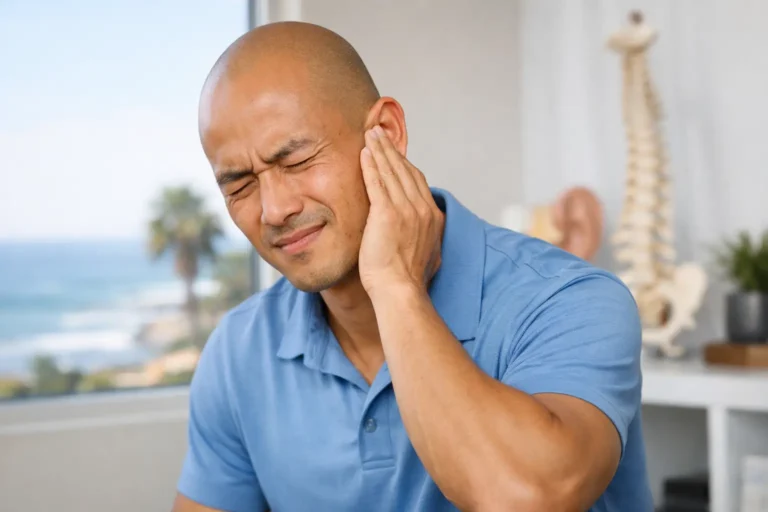
A child tugging at an ear at 2 a.m. or a deep, stubborn ear ache that shows up every time you swallow can make a normal day feel very long. Ear aches are common, but they are not all the same. Some need prompt medical treatment, while others are referred pain from the jaw, neck, sinuses, or surrounding muscles.
At Greater Life Wellness Center, we believe people deserve a clear explanation of what may be driving their discomfort, not just a quick fix. For families and active adults in Point Loma, the Midway District, Ocean Beach, Liberty Station, and nearby San Diego neighborhoods, that starts with knowing when an ear problem needs a medical provider and when a whole-body assessment may also be useful.
What Causes Ear Aches?
An ear ache does not automatically mean an ear infection. The ear is closely connected to the nose, throat, jaw, and upper neck, so discomfort can originate in more than one place.
Middle-ear infections are especially common in children. Fluid and inflammation can build behind the eardrum, often after a cold or respiratory infection. Outer-ear infections, sometimes called swimmer’s ear, affect the ear canal and may hurt more when the outer ear is touched or pulled.
Pressure changes can also be the culprit. Flying, diving, allergies, sinus congestion, and colds can interfere with the eustachian tubes, the small passages that help equalize pressure between the middle ear and the back of the throat. That blocked, full, popping sensation can be uncomfortable even when there is no infection.
Then there is referred pain. Tight jaw muscles, teeth grinding, temporomandibular joint dysfunction, dental problems, and upper-neck irritation can all create pain that seems as if it is inside the ear. Your body is not being dramatic. Nerves from these regions share pathways, and the brain does not always identify the exact source with perfect precision.
When Ear Pain Needs Medical Care Right Away
Natural wellness care has a role in supporting overall function, but it is not a substitute for diagnosing or treating an ear infection, a ruptured eardrum, or another urgent medical condition. A primary care clinician, pediatrician, urgent care provider, dentist, or ear specialist may need to examine the ear directly.
Seek prompt medical evaluation for severe or rapidly worsening pain, fever, swelling or redness behind the ear, drainage of blood or pus, sudden hearing loss, dizziness, severe headache, facial weakness, or symptoms after a significant injury. Babies younger than six months with suspected ear pain should be evaluated by a medical provider. For children, persistent pain, unusual sleepiness, dehydration, repeated vomiting, or a high fever are also reasons not to wait.
Adults should not ignore ear pain that lasts more than a few days, keeps returning, or comes with a lump in the neck, unexplained weight loss, or trouble swallowing. Those symptoms are uncommon, but they deserve a proper evaluation.
At home, do not put cotton swabs, oils, candles, or unapproved drops into a painful ear. Ear candles are not a clever shortcut. They can burn the skin, leave wax behind, and do nothing useful for the problem that caused the pain in the first place.
Can a Chiropractor Help With Ear Aches?
The honest answer is: it depends on the cause.
Chiropractic care should not be presented as a cure for ear infections. If an exam suggests infection, significant fluid buildup, or another ear condition, medical evaluation comes first. Children with recurring ear infections need coordinated guidance from their pediatrician, particularly when hearing, speech development, or sleep is affected.
However, a chiropractor may be able to help when ear discomfort appears connected to neck tension, jaw dysfunction, posture, or muscular stress. For example, a working professional who spends hours with a headset, clenches their teeth during deadlines, and wakes with one-sided neck tightness may experience pain that travels toward the ear. An active adult may notice ear-area discomfort after a collision, a hard training session, or a flare-up of jaw tension.
In those cases, a careful chiropractic assessment can look beyond the ear itself. The goal is to identify movement restrictions, muscle tension, postural habits, and jaw or upper-neck stress that may be contributing to the discomfort. Gentle, individualized chiropractic adjustments, soft-tissue work, corrective exercises, and practical home strategies may improve mobility and reduce tension in the involved areas.
That is a different promise than saying an adjustment treats an infection. It is a more useful and responsible one: find out whether a musculoskeletal contributor is present, address what is within our scope, and refer when another provider is needed.
Ear Aches in Children: A Team Approach Matters
Parents are right to ask questions when their child has recurring ear discomfort, trouble sleeping, congestion, or frequent irritability. It is exhausting to see your child uncomfortable, and it is tempting to search for one magic answer. Usually, the better answer is a thoughtful plan.
A pediatric medical provider can check for infection, fluid, hearing concerns, allergies, and other conditions that require medical treatment. A chiropractor experienced in caring for children can evaluate age-appropriate posture, neck mobility, muscular tension, and overall movement patterns without using forceful techniques. Care for children should always be gentle, individualized, and based on a thorough history and examination.
For some families, lifestyle habits are part of the conversation too. Tobacco smoke exposure, frequent respiratory infections, untreated allergies, hydration, sleep, and daycare exposure can all influence how often ear-related symptoms occur. No parent can control every variable, and no child needs a blame-filled wellness lecture. The point is to identify the factors that can realistically be improved.
What to Expect From Chiropractic Care
If you visit a Chiropractor in Point Loma or the Midway District because ear pain may be related to the neck or jaw, the first appointment should not begin with an automatic adjustment. A quality evaluation starts with listening.
We ask when the pain began, what makes it better or worse, whether you have had fever or drainage, and whether there are headaches, jaw clicking, recent injuries, sinus symptoms, numbness, or changes in hearing. We also review posture, work demands, exercise, sleep, stress, and any history of teeth grinding.
Next comes a comprehensive examination of the spine, neck, jaw mechanics, muscle tension, posture, and nervous system function. X-rays may be recommended when clinically indicated, but not every patient needs imaging. If your symptoms suggest an ear infection or another medical issue, we will tell you plainly and recommend the appropriate next step.
After the exam, you should receive a clear report of findings. That means translating what we found into normal language: what is likely contributing to your symptoms, what care may involve, what progress should look like, and when reassessment or referral is appropriate. You should never feel pressured to guess your way through a care plan.
How Many Chiropractic Visits Are Needed?
There is no honest one-size-fits-all number. The right number of visits depends on whether the pain is truly musculoskeletal, how long it has been present, the degree of neck or jaw dysfunction, your work and stress habits, and how your body responds to care.
A recent tension-related flare-up may improve over a short series of visits combined with home exercises and better workstation habits. Long-standing neck stiffness, recurring jaw clenching, or symptoms after an auto accident may require a more structured plan and periodic reassessment. If there is no meaningful progress, the plan should change. Good care is not endless care without a reason.
For patients from 92106, 92107, 92110, 92109, 92103, and surrounding San Diego ZIP codes, convenience matters too. A care plan needs to fit real life, whether that means protecting your training schedule, getting through a workweek without relying on pain medication, or helping your child sleep more comfortably.
Simple Steps While You Wait for an Evaluation
For mild discomfort without red-flag symptoms, rest, hydration, and a warm compress over the outer ear may be soothing. If congestion is involved, follow guidance from your medical provider or pharmacist about safe options for your age and health history. Keep water out of the ear if swimmer’s ear is suspected, and avoid forceful attempts to pop the ears.
If jaw tension seems likely, notice whether symptoms worsen after chewing gum, eating tough foods, or waking in the morning. A soft-food approach for a day or two, relaxed jaw positioning, and reducing daytime clenching can help. For neck-related tension, gentle movement is generally better than freezing in one position, but stop and seek care if movement causes severe pain, dizziness, weakness, or neurological symptoms.
Pain is information, not a character test. If ear aches keep interrupting sleep, work, school, workouts, or family time, reserve a no-obligation consultation and evaluation. The right next step may be medical care, chiropractic care, or both – but you deserve a plan that treats you like a person, not a symptom.
NEW PATIENT SPECIAL OFFER
If you’d like to increase your quality of life and revitalize your health… naturally, we have a valuable offer for you!
First visit for $59 which includes a consultation, examination, computerized muscle balance scan, and any necessary X-rays, to see if we can help you before you make any financial commitment.
There is NO OBLIGATION!

Dr. Henry Wong, DC
3689 Midway Drive, Suite G, San Diego, CA 92110
(619) 222-8885
Chiropractor San Diego CA
Monday, Wednesday & Thursday :
8:00 AM – 1:00 PM and 3:00 – 6:00 PM
Tuesday :
Appointment Only
Friday :
Appointment Only
Walk-ins Welcome During Regular Business Hours!
© 2026 GREATER LIFE WELLNESS CENTER, All Rights Reserved