
Is Chiropractic Evidence-Based in Point Loma?
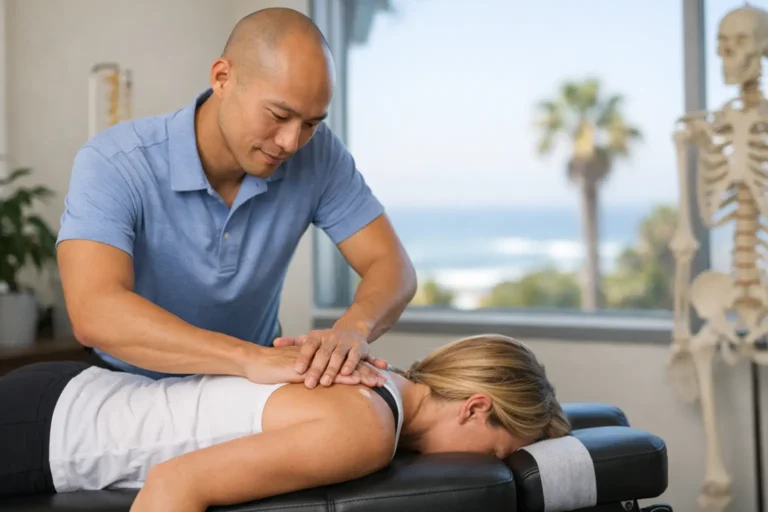
A sore back after a long shift, a neck that refuses to turn after sleeping wrong, or sciatica that makes a simple drive feel like an endurance event can leave you looking for answers fast. So, is chiropractic evidence-based? For many common neuromusculoskeletal concerns, the answer is yes – with an honest qualifier: chiropractic care is most evidence-supported when it is used thoughtfully, for the right condition, after a proper examination.
At Greater Life Wellness Center, we believe patients deserve more than a quick crack and a cheerful goodbye. Good care starts with understanding what is driving the problem, what the research can reasonably support, and what your body needs to get moving again.
What “evidence-based” actually means
Evidence-based care is not a single study or a one-size-fits-all protocol. It combines three things: the best available clinical research, a doctor’s professional judgment, and the patient’s goals, health history, and preferences.
That last part matters. Two people can both say they have low back pain, yet one may have stiffness after weeks at a desk while the other is recovering from a lifting injury. Their exams, risk factors, movement patterns, and care plans should not be identical. A treatment can be evidence-based without being the only appropriate option, and a treatment that helped your neighbor is not automatically the right first move for you.
For chiropractic, the strongest body of research focuses on conservative care for neuro-musculoskeletal pain and function. That includes spinal adjustments, manual therapy, exercise guidance, activity modification, and patient education. The adjustment is an important tool, but it is not magic pixie dust for every human problem. A thorough plan should also help you understand how to move, recover, and reduce the factors that keep aggravating the issue.
Is chiropractic evidence-based for back pain?
Low back pain is the area where chiropractic care has some of its most established support. Clinical guidelines commonly include spinal manipulation as an option for acute, subacute, and chronic low back pain, particularly for people who want a non-drug, conservative approach. Research generally finds modest improvements in pain and function for many patients. “Modest” may not sound flashy, but it can be meaningful when it means walking more comfortably, returning to the gym, sleeping better, or getting through a workday without relying on pain medication.
Results vary because back pain varies. A person with uncomplicated mechanical back pain may respond well to adjustments, mobility work, and progressive strengthening. Someone with a disc-related condition, significant nerve irritation, inflammatory disease, or pain after an auto accident may need a different pace of care, additional evaluation, or coordination with another medical provider.
For people seeking sciatica treatment in San Diego, that distinction is especially important. Sciatica describes symptoms from irritation or compression affecting the sciatic nerve, not one single diagnosis. An exam helps determine whether conservative chiropractic care is appropriate and whether imaging, referral, or urgent medical evaluation is needed.
What about neck pain, headaches, and sports injuries?
Chiropractic care can also be a reasonable conservative option for many cases of neck pain. Manual therapy, exercise, posture and ergonomic coaching, and progressive activity are often used together to improve mobility and reduce pain. If you are looking for a neck pain specialist in San Diego, look for a provider who evaluates the whole picture rather than adjusting the same area every visit without reassessment.
Certain headache patterns, especially cervicogenic headaches that originate from the neck, may also improve with a care plan that includes manual therapy and exercise. However, not every headache starts in the neck. Sudden, severe, unusual, or worsening headaches require medical assessment first.
For recreational athletes and active adults, a sports chiropractor in San Diego can help address movement restrictions, training load, and recovery after common non-emergency strains and overuse problems. The goal is not simply to feel better for one afternoon. It is to return to running, lifting, surfing, golf, or chasing your kids with better confidence and fewer setbacks.
What chiropractic is not proven to do
An evidence-based answer also means being clear about boundaries. Chiropractic care should not be presented as a cure for every illness or as a replacement for appropriate medical care. Claims that adjustments reliably treat serious infections, cancer, diabetes or other non-musculoskeletal conditions go beyond what current high-quality research can support, even though there have been a past history from people who claim that it has helped with ADHD, anxiety, asthma, ear infections, or even bedwetting.
That does not mean a child’s comfort, sleep, posture, activity level, or family wellness goals are unimportant. It means parents deserve careful, age-appropriate evaluation and realistic expectations. Likewise, pregnancy-related back or pelvic discomfort may respond well to gentle, individualized chiropractic care, but the Webster Technique should not be represented as a proven method for turning a breech baby. The Webster Technique simply helps reduce inter-utero constraint in the mother as the baby is growing. Pregnant patients should remain in close communication with their OB-GYN or midwife.
The same principle applies after a collision. An auto accident chiropractor in San Diego can be part of a recovery team for appropriate soft-tissue and spinal injuries, but numbness, weakness, concussion symptoms, fractures, severe pain, or other concerning findings call for timely medical evaluation.
Why a complete exam changes the conversation
The quality of the assessment matters as much as the technique. Before beginning care, a doctor should listen to your history, review your symptoms, assess posture and movement, perform orthopedic and neurological testing when appropriate, and determine whether X-rays or other imaging are actually indicated. Imaging is useful when it will change clinical decision-making, not as a routine photo shoot for your spine.
At a structured report of findings visit, you should be able to understand what was found, what was ruled out, what may be contributing to your symptoms, and why the proposed plan makes sense. That plan may include chiropractic adjustments, corrective exercises, targeted stretching, nutrition and recovery guidance, stress-management strategies, or referral when another type of care is the better fit.
This is the practical meaning of treating root contributors. It does not mean promising that every condition has one hidden spinal cause. It means looking beyond the location of pain to consider joint movement, muscle control, work setup, training habits, sleep, previous injuries, and overall health behaviors.
Is chiropractic safe?
For appropriately selected patients, chiropractic care is generally considered safe. Temporary soreness, stiffness, or fatigue after an adjustment can happen, much like after exercise or massage. Serious complications are rare, but rare does not mean impossible. This is why informed consent, sound clinical screening, and choosing the right technique for the patient are non-negotiable.
Seek urgent medical care rather than routine chiropractic treatment if you have any of the following:
- New loss of bowel or bladder control, saddle numbness, or rapidly worsening leg weakness
- Fever, unexplained weight loss, history of cancer, or pain that is severe and unrelenting at night
- Significant trauma, suspected fracture, or severe osteoporosis
- Sudden trouble speaking, facial drooping, loss of coordination, or other stroke-like symptoms
A trustworthy chiropractor will not ignore red flags to squeeze in an adjustment. Sometimes the best care is a referral. That is not a failure of chiropractic – it is responsible patient advocacy.
How many chiropractic visits will I need?
There is no honest universal number. A minor episode of back stiffness may improve in a few visits combined with home exercises and better movement habits. A longer-standing problem, recurring sports injury, or post-accident condition may need a more gradual plan with scheduled reassessments.
Your care plan should include measurable goals: less pain, improved range of motion, more walking tolerance, a return to exercise, or fewer activity limitations. It should also be reassessed. If care is not helping as expected, the plan needs to change. Progress is not measured by how many appointments appear on a calendar; it is measured by how well you are functioning in your actual life.
A local, conservative choice for San Diego patients
Whether you live near Point Loma, the Midway District, Ocean Beach, Liberty Station, Old Town, Mission Hills, or Pacific Beach, finding the right provider starts with a conversation. Patients from ZIP codes such as 92106, 92110, 92107, 92109, 92108, 92103, and 92101 often want the same thing: a clear explanation, hands-on care when appropriate, and a plan that supports long-term movement instead of a medication-first treadmill.
If pain, stiffness, or a recent injury is keeping you from living the way you want, reserve your no-obligation consultation and evaluation. Bring your questions, your health history, and your goals. The best next step is not guessing whether chiropractic is right for you – it is getting a careful answer built around you.
NEW PATIENT SPECIAL OFFER
If you’d like to increase your quality of life and revitalize your health… naturally, we have a valuable offer for you!
First visit for $59 which includes a consultation, examination, computerized muscle balance scan, and any necessary X-rays, to see if we can help you before you make any financial commitment.
There is NO OBLIGATION!

Dr. Henry Wong, DC
3689 Midway Drive, Suite G, San Diego, CA 92110
(619) 222-8885
Chiropractor San Diego CA
Monday, Wednesday & Thursday :
8:00 AM – 1:00 PM and 3:00 – 6:00 PM
Tuesday :
Appointment Only
Friday :
Appointment Only
Walk-ins Welcome During Regular Business Hours!
© 2026 GREATER LIFE WELLNESS CENTER, All Rights Reserved