
Chiropractic Care for Vertigo and Dizziness in San Diego
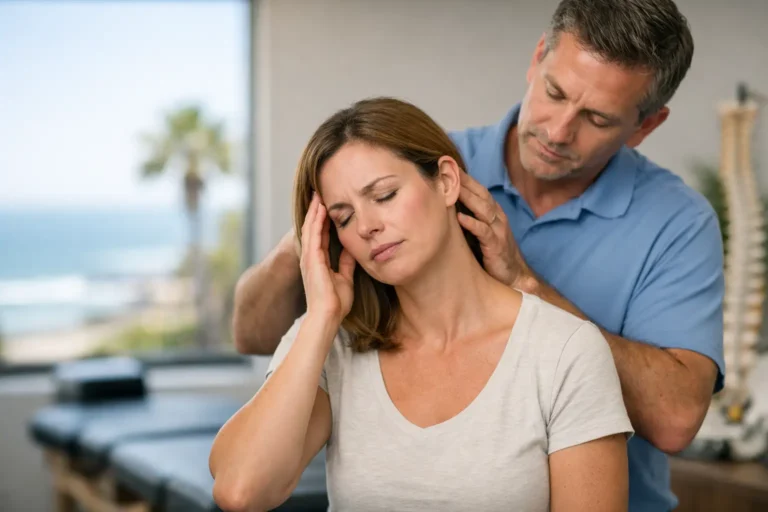
The room spins when you roll over in bed. You feel unsteady turning your head while backing out of a parking space. Or a wave of lightheadedness hits after a long day at your desk, and suddenly your neck feels like it has been holding a bowling ball. Chiropractic care for vertigo and dizziness may be worth exploring when neck dysfunction is part of the picture, but it should never skip a careful evaluation of what is causing your symptoms.
At Greater Life Wellness Center, the goal is not to put a label on every dizzy spell and rush you onto a treatment table. It is to understand your health history, assess the nervous system and spine, and determine whether conservative chiropractic care belongs in your plan – or whether you need another type of medical evaluation first.
Can Chiropractic Care Help Vertigo and Dizziness?
Sometimes, yes. But it depends on the type of dizziness and its cause.
“Dizziness” is a broad word. It can mean feeling faint, off-balance, woozy, disoriented, or like the room is spinning. True vertigo is the sensation of movement when you are not moving. A common cause is benign paroxysmal positional vertigo, or BPPV, which occurs when tiny calcium crystals in the inner ear shift into the wrong place. BPPV is often triggered by changes in head position, such as lying down, looking up, or turning over.
Other possible causes include migraines, inner-ear inflammation, medication effects, dehydration, blood pressure changes, anxiety, vision problems, concussion, and problems affecting the brain or circulation. Neck-related dizziness, sometimes called cervicogenic dizziness, can occur alongside neck pain, reduced neck motion, headaches, muscle tension, or a recent injury. It is generally considered only after other causes have been evaluated.
Chiropractic care may help people whose dizziness is connected to neck pain, restricted movement, posture strain, or a musculoskeletal injury. Gentle adjustments, soft-tissue work, corrective exercises, and posture guidance can improve neck mobility and reduce mechanical stress that may be contributing to symptoms. That does not mean every case of vertigo is a “neck problem,” and an adjustment is not a substitute for appropriate medical care.
When Dizziness Needs Urgent Medical Care
Dizziness is not something to tough out when it arrives with serious warning signs. Call 911 or seek emergency care immediately for sudden dizziness or vertigo accompanied by facial drooping, weakness or numbness on one side, difficulty speaking, confusion, fainting, severe headache, chest pain, new vision loss, trouble walking, or loss of coordination.
You should also seek prompt medical assessment for dizziness after a significant head injury, after an auto accident, with persistent vomiting, with new hearing loss, or when symptoms are sudden and unlike anything you have experienced before. A stroke can look like vertigo. So can other conditions that require fast treatment. This is one situation where “I’ll see if it goes away” is not a winning strategy.
For San Diego patients recovering from a collision, an Auto Accident Chiropractor San Diego residents trust can assess musculoskeletal injuries after urgent concerns have been addressed. Whiplash-related neck pain, headaches, and balance complaints deserve a thorough examination rather than a quick guess.
How a Chiropractor Evaluates Vertigo and Dizziness
A responsible chiropractic visit begins well before any adjustment. Your doctor should ask what the sensation feels like, when it started, what movements trigger it, whether you have neck pain or headaches, and whether you have had a fall, concussion, infection, medication change, or recent accident.
At Greater Life Wellness Center, a new-patient journey is built around a consultation, comprehensive examination, and X-rays when clinically indicated. The purpose of imaging is not to scan everyone automatically. It is to gather useful information when your history and examination support it. Your report of findings should explain what was found, what may be contributing to your discomfort, what care could involve, and when referral or co-management makes more sense.
For suspected BPPV, a provider may use positional testing and, if appropriate, recommend or coordinate a repositioning maneuver. These movements are designed to help relocate displaced inner-ear crystals. For neck-related symptoms, the exam may focus more on posture, range of motion, joint function, muscle tension, balance, and how symptoms change with neck movement.
That distinction matters. The care plan for a positional inner-ear issue is not the same as the plan for a stiff, painful neck after hours at a laptop. Personalized care beats guessing every time.
What Chiropractic Care May Include
If your examination suggests you are a candidate for chiropractic care, treatment may include carefully selected spinal adjustments, especially in areas of restricted motion; gentle mobilization and muscle work; corrective exercises; and guidance on work setup, sleep posture, hydration, stress management, and movement habits.
For a working professional in Point Loma, the Midway District, Liberty Station, or Ocean Beach, the trigger may be a combination of long screen time, poor desk ergonomics, tight shoulders, and fewer movement breaks than the body needs. For recreational athletes, it may be a hard fall, a collision, repetitive overhead movement, or neck strain from training. A Sports Chiropractor San Diego patients see for movement-related pain can help identify mechanical patterns that may be affecting performance and comfort.
Care should be tailored to your symptoms and tolerance. Some people need a short course of focused care paired with exercises. Others have long-standing neck problems and benefit from a broader plan that includes regular reassessment, mobility work, nutrition support, and stress-reduction strategies. The right number of visits is based on progress, diagnosis, goals, and your response to care – not a one-size-fits-all calendar.
What Results Can You Realistically Expect?
The honest answer is that outcomes vary. If dizziness is largely driven by neck dysfunction, patients may notice less neck pain, freer movement, fewer tension headaches, and better confidence with daily activities as care progresses. If BPPV is the main issue, a repositioning maneuver may help quickly, although symptoms can recur. If your dizziness is caused by medication, migraine, an inner-ear condition, cardiovascular issues, or a neurological condition, chiropractic care may have a limited role or no role in treating the underlying cause.
That is why your care team should not promise to “cure vertigo” before identifying what type of dizziness you have. Good care is not about selling a dramatic promise. It is about helping you make a safe, informed decision and building the most practical path back to normal movement.
Supporting Your Recovery Between Visits
Small habits can make a meaningful difference when neck tension and poor movement patterns are contributing to symptoms. Avoid aggressive neck stretching or self-manipulation while you are actively dizzy, especially if you have not been evaluated. Move slowly when getting out of bed, stay hydrated, eat regularly, and make note of what triggers your symptoms.
A symptom log can be surprisingly useful. Record the time of day, your position, neck pain level, sleep quality, recent exercise, stress level, and any associated symptoms such as nausea, headache, ringing in the ears, or visual changes. This gives your doctor better clues than trying to reconstruct a rough week from memory in a 10-minute conversation.
If computer work is a factor, raise the screen closer to eye level, keep your shoulders relaxed, and take brief movement breaks throughout the day. Your neck was designed to move. It was not designed to impersonate a coat hanger for eight hours straight.
A Thoughtful Next Step for San Diego Patients
If recurring dizziness comes with neck pain, stiffness, headaches, or a history of strain or injury, schedule a free, no-obligation consultation to discuss whether chiropractic care may be appropriate. Patients from Point Loma, Pacific Beach, Mission Hills, Old Town, and nearby communities including 92106, 92110, 92107, 92109, 92103, and 92101 deserve an explanation that goes beyond “take something and wait.”
Start with the right questions, not a rushed adjustment: What is causing this? What needs to be ruled out? What can I safely do to feel steadier and move with confidence again? A clear answer can be the first solid step when the world has felt like it is moving under your feet.
NEW PATIENT SPECIAL OFFER
If you’d like to increase your quality of life and revitalize your health… naturally, we have a valuable offer for you!
First visit for $59 which includes a consultation, examination, computerized muscle balance scan, and any necessary X-rays, to see if we can help you before you make any financial commitment.
There is NO OBLIGATION!

Dr. Henry Wong, DC
3689 Midway Drive, Suite G, San Diego, CA 92110
(619) 222-8885
Chiropractor San Diego CA
Monday, Wednesday & Thursday :
8:00 AM – 1:00 PM and 3:00 – 6:00 PM
Tuesday :
Appointment Only
Friday :
Appointment Only
Walk-ins Welcome During Regular Business Hours!
© 2026 GREATER LIFE WELLNESS CENTER, All Rights Reserved