
Chiropractic for Sports Injury Recovery: Your Guide to Healing & Performance
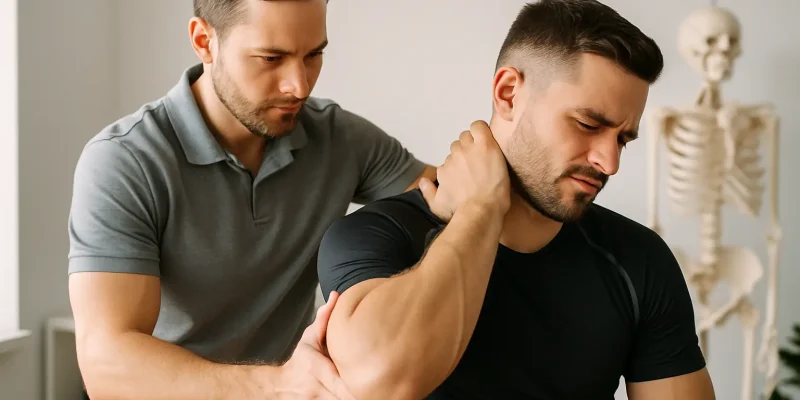
Sports injuries can interrupt your training, affect your performance, and keep you from the activities you enjoy. Whether you’re a competitive athlete, weekend warrior, runner, surfer, cyclist, golfer, or weightlifter, pain and restricted movement can interfere with your active lifestyle.
At Greater Life Wellness Center in San Diego, Dr. Henry Wong, DC provides individualized chiropractic care focused on spinal and joint function, mobility, and musculoskeletal health.
Can a Chiropractor Help With Sports Injuries?
Yes. Chiropractic care can help manage certain sports-related neuro-musculoskeletal conditions, particularly back and neck pain, joint stiffness, and movement restrictions.
Chiropractic adjustments may improve mobility and reduce discomfort, while corrective exercises help support strength, stability, and functional recovery. At Greater Life Wellness Center, Dr. Henry Wong evaluates how your spine, joints, and muscles work together to develop a personalized care plan that supports your return to activity.
Our goal is to help you move better, feel better, and get back to doing what you love.
Serving San Diego since 2001, Greater Life welcomes patients from Point Loma, Ocean Beach, Mission Beach, Pacific Beach, Mission Valley, Clairemont, and surrounding communities.
Why Chiropractic Care Matters for Athletes
Athletic performance depends on coordinated movement throughout the body.
Running, jumping, lifting, swinging, and throwing require the spine, joints, muscles, and nervous system to work together. When pain or restricted joint movement interferes with that coordination, even familiar activities can become difficult.
As a chiropractic office, we focus on how the spine and extremity joints contribute to comfortable, efficient movement. For example, limited hip mobility may affect the mechanics of a golf swing or squat. Restricted upper-back movement can influence shoulder positioning during overhead exercise. A stiff ankle following a sprain may change the way an athlete walks or runs.
Chiropractic care addresses appropriate joint restrictions and mechanical problems while supporting the body’s ability to move comfortably.
For athletes dealing with recurring symptoms, combining chiropractic adjustments with corrective exercises and appropriate training modifications can be particularly useful.
Common Sports Injuries and Conditions We Address:
Back Pain and Spinal Injuries
The spine absorbs considerable physical stress during sports and exercise.
Weightlifting, running, cycling, golf, and rotational activities can contribute to mechanical back pain, muscle tension, and restricted spinal movement.
Chiropractic adjustments are an established conservative treatment option for certain types of low-back pain. They can be combined with mobility work and strengthening exercises to support functional improvement.
Learn more about chiropractic care for back pain in San Diego and when to see a chiropractor for back pain.
Neck Pain and Sports-Related Strain
Neck discomfort is common among cyclists, swimmers, weightlifters, and athletes participating in contact sports.
Symptoms may include stiffness, reduced rotation, muscle tightness, and discomfort extending into the shoulders or upper back.
Following an appropriate examination, chiropractic care may help manage mechanical neck pain and improve comfortable movement.
Read more about chiropractic care for neck pain in Point Loma.
Shoulder Pain and Restricted Mobility
The shoulder relies on coordinated movement between the upper back, shoulder blade, and surrounding muscles.
Repetitive overhead activity, throwing, swimming, and lifting can contribute to shoulder discomfort.
When spinal or joint mobility restrictions are relevant, chiropractic care may complement exercises that improve shoulder function.
Suspected significant tendon tears, dislocations, or instability require appropriate medical evaluation.
Hip Pain and Pelvic Mechanics
Hip mobility plays an important role in running, squatting, cycling, and rotational sports. Limited hip movement may influence how the pelvis and lower back handle physical loads.
At Greater Life, we consider the relationship between the hip, pelvis, and spine when evaluating activity-related discomfort.
Learn more about chiropractic adjustments for hip pain.
Knee, Ankle, and Foot Problems
The lower extremities experience substantial loading during running, jumping, hiking, and directional changes.
When evaluating knee or ankle discomfort, it can be helpful to consider the movement of neighboring joints and the patient’s walking or running mechanics.
A Chiropractic assessment can identify associated joint restrictions, while rehabilitation exercises help address strength, balance, and stability.
Significant ligament injuries, fractures, or persistent joint instability may require orthopedic care.
Muscle Strains and Overuse Injuries
Overuse problems often develop gradually as training demands exceed the body’s current capacity.
Athletes may experience recurring tightness, muscle strains, tendon irritation, or activity-related discomfort.
Management can include adjustments for associated mechanical restrictions, progressive exercise, and changes to training volume or technique.
Why Do Sports Injuries Keep Coming Back?
One of the most frustrating experiences for an athlete is feeling better after rest, returning to training, and developing the same pain again.
This can happen when an injury has not fully recovered or when underlying movement limitations and training demands remain unchanged.
Consider an ankle sprain.
Even after swelling decreases, the ankle may remain stiff or unstable. That can affect walking and running mechanics, potentially increasing demands on the knee, hip, or lower back.
Similarly, limited hip mobility may change how an athlete bends, rotates, or squats.
The body functions as an interconnected neuro-musculoskeletal system.
This is why we evaluate more than the painful location when a patient’s history and examination suggest that other areas may be involved.
Our objective is to identify the relevant mechanical problems, address what chiropractic care can improve, and support the patient with appropriate exercises and activity recommendations.
How Chiropractic Adjustments Support Sports Injury Recovery
Chiropractic adjustments are a central part of our approach to spinal and joint care.
An adjustment applies a controlled force to a specific joint to improve movement when a restriction has been identified and treatment is appropriate.
For selected neuro-musculoskeletal conditions, chiropractic care may offer several benefits.
Improved Joint Mobility
Restricted spinal or extremity movement can make athletic activities uncomfortable.
Specific adjustments may help improve mobility, making it easier to participate in appropriate stretching, strengthening, and rehabilitation.
Relief From Back Pain
Spinal adjustments are recognized as a non-drug option in clinical guidelines for certain forms of low-back pain.
The American College of Physicians includes spinal adjustments among recommended nonpharmacological options for acute, subacute, and chronic low-back pain, while recognizing that the benefits are generally modest and depend on the patient and condition.
Better Functional Movement
Comfortable joint motion is important for everyday activities and athletic participation.
When joint restrictions contribute to discomfort, chiropractic care may help patients move more freely and tolerate appropriate physical activity.
Personalized Adjusting Techniques
Dr. Wong has training in several chiropractic methods, including:
- Diversified adjusting
- Palmer package techniques
- Specific prone adjusting
- Drop-table techniques
- Chiropractic BioPhysics (CBP)
- Upper cervical techniques
- Extremity adjustments
The proper care is selected according to the patient’s symptoms, examination findings, preferences, and clinical needs.
What We Look for When Evaluating a Sports Injury
When we evaluate someone with a sports injury, we want to understand more than where the pain is located.
We begin by learning how the problem developed, what activities make it worse, and what the patient needs to return to doing.
A runner who develops hip pain after increasing mileage has different physical demands from a golfer experiencing back discomfort during rotation.
Our examination process focuses on findings relevant to the injury, which may include:
Spinal and joint mobility. We assess whether restricted movement may be contributing to pain or functional limitations.
Muscle balance and movement patterns. We consider how the patient moves and whether weakness, guarding, or compensation may be affecting the area.
Posture and biomechanics. We evaluate posture when it is relevant to the patient’s symptoms and activities.
Orthopedic and neurological findings. These help determine how to deliver the best chiropractic care for that individual and also whether further evaluation is necessary.
Functional goals. We want to understand what recovery means to the individual—whether that is returning to running, lifting weights, playing pickleball, surfing, or exercising without recurring discomfort.
We then explain my findings and discuss a personalized approach to care.
Our philosophy is to understand the patient, identify the relevant neuro-musculoskeletal problems, and help restore comfortable movement through the best appropriate chiropractic care and supportive exercises.
Chiropractic Care Is More Than an Adjustment
Although adjustments are an important part of chiropractic care, improving movement and maintaining results often involves what patients do outside the office.
Corrective Exercises
Targeted exercises can help improve
strength, stability, balance, and movement control.
For example, someone with recurring lower-back discomfort may benefit from appropriate spinal corrective care combined with hip mobility and trunk-strengthening exercises.
Stretching and Mobility
Individualized mobility work can help maintain comfortable movement and support the goals of chiropractic care.
Posture and Everyday Habits
Athletes spend only part of their day training.
Prolonged sitting, computer work, driving, and repetitive occupational activities can also influence neuro-musculoskeletal symptoms.
Training and Recovery Guidance
Gradual progression of physical activity, adequate sleep, and appropriate recovery are important parts of returning to sport.
Our goal is to help patients understand how their daily habits and training choices influence their neuro-musculoskeletal health.
For additional guidance, see what you can do at home to support recovery.
Sports and Activities That Commonly Cause Neuro-musculoskeletal Pain
San Diego’s active lifestyle includes surfing, running, cycling, golf, hiking, tennis, pickleball, and gym workouts.
Different activities place different demands on the body.
Activity | Common musculoskeletal complaints |
|---|---|
Running | Knee, hip, ankle, and lower-back pain |
Surfing | Shoulder, neck, and back discomfort |
Golf | Lower-back, hip, and shoulder pain |
Cycling | Neck, upper-back, wrist, and hip discomfort |
Weightlifting | Back, shoulder, and knee problems |
Tennis and pickleball | Elbow, shoulder, knee, and ankle pain |
Basketball | Ankle, knee, and lower-back injuries |
Soccer | Hip, knee, ankle, and muscle injuries |
Swimming | Shoulder and upper-back discomfort |
Hiking | Foot, ankle, knee, and hip pain |
An effective chiropractic evaluation considers the physical demands of the patient’s activities rather than treating every athlete identically.
What Does Research Say About Chiropractic Care for Sports Injuries?
Chiropractic care has an established role in conservative management of neuro-musculoskeletal conditions, particularly low-back pain, neck pain and headaches. It’s common for people to notice other improvements beyond those mentioned.
The strength of evidence varies by diagnosis, treatment, and outcome.
Spinal Alignment, Adjustments and Low-Back Pain
The American College of Physicians’ clinical practice guideline includes spinal adjustments as an option for acute, subacute, and chronic low-back pain.
The guideline supports individualized non-drug treatment choices, including exercise and other conservative approaches.
Clinical reference: American College of Physicians — Noninvasive Treatments for Acute, Subacute, and Chronic Low Back Pain.
Exercise and Functional Recovery
Progressive exercise is an important component of rehabilitation for many neuro-musculoskeletal injuries.
Strength, mobility, balance, and sport-specific training help patients regain the physical abilities required for their activities.
Chiropractic adjustments may complement exercise when joint restrictions or mechanical pain are present.
Athletic Performance
Improving pain and mobility can help an athlete participate more comfortably in training.
Chiropractic adjustments and the proper strengthening exercises can consistently improve athletic performance and/or prevent sports injuries in athletes.
Our approach focuses on measurable patient benefits: less discomfort, improved mobility, better function, and the ability to participate in appropriate activity.
When Can You Return to Sports After an Injury?
Returning to activity should involve more than simply waiting for pain to disappear.
Depending on the injury, readiness may include:
- Comfortable range of motion
- Adequate strength and stability
- Balance and coordination
- Ability to perform sport-specific movements
- Tolerance for gradually increasing activity
- Appropriate medical clearance when required
For example, an athlete may walk comfortably after a knee injury but still need additional rehabilitation before returning to jumping or rapid directional changes.
Chiropractic care may support mobility and mechanical comfort during recovery, while injury-specific rehabilitation helps restore the strength and control needed for sport.
What to Expect at Greater Life Wellness Center
Our approach begins with a thorough examination and a clear explanation of the findings.
Step 1: Consultation
Dr. Wong reviews your symptoms, injury history, physical activities, previous treatment, and recovery goals.
Step 2: Chiropractic Examination
Depending on the complaint, the examination may include posture, spinal and extremity joint mobility, muscle balance, range of motion, orthopedic testing, and neurological assessment.
A computerized muscle-balance scan may also be included as part of the practice’s assessment process.
Step 3: Imaging When Clinically Necessary
X-rays may be recommended when supported by examination findings.
Imaging is not required for every sports injury, and certain conditions may require other diagnostic studies or specialist referral.
Step 4: Report of Findings
Dr. Wong explains the examination results, discusses relevant mechanical problems, and recommends an appropriate plan.
Learn more about the chiropractic Report of Findings.
Step 5: Personalized Chiropractic Care
Your care in our office may include specific adjustments, corrective exercises, mobility recommendations, and activity guidance.
Progress is reassessed according to symptoms, functional improvements, and individual goals.
When Should You See a Chiropractor for a Sports Injury?
A chiropractic evaluation is helpful when:
- Back or neck pain interferes with exercise
- Joint stiffness limits comfortable movement
- Symptoms return after resuming training
- Repetitive activities cause musculoskeletal discomfort
- Pain changes the way you walk, run, lift, or exercise
- You experience recurring movement-related problems
- You want an individualized assessment of your spinal and joint function
You do not have to wait until discomfort becomes severe to have a neuro-musculoskeletal problem evaluated.
When Medical Attention Is Necessary
Certain sports injuries require urgent medical evaluation.
Seek prompt care for suspected fractures, significant joint deformity, inability to bear weight, major swelling, progressive weakness, loss of sensation, or significant trauma.
Head injuries accompanied by confusion, repeated vomiting, loss of consciousness, or worsening neurological symptoms require urgent assessment. Chest pain, difficulty breathing, and new bowel or bladder dysfunction associated with neurological symptoms warrant emergency care.
Appropriate referral and coordination with other healthcare professionals are important parts of responsible chiropractic practice.
Sports Injury Chiropractic Care in Point Loma and San Diego
Greater Life Wellness Center is located at 3689 Midway Drive, Suite G, San Diego, CA 92110, in the Point Loma/Midway area near the Sports Arena and Interstate 8.
We welcome athletes and active individuals from nearby San Diego communities.
Point Loma, Ocean Beach, and Midway District
Our office serves patients from Point Loma, Ocean Beach, Loma Portal, Point Loma Heights, Sunset Cliffs, La Playa, Roseville-Fleetridge, Liberty Station, and the Midway District.
Mission Beach, Mission Bay, and Pacific Beach
Surfing, cycling, running, swimming, and beach sports are popular throughout these coastal communities.
Patients dealing with activity-related back, neck, and joint discomfort can access chiropractic care at our Point Loma office.
Clairemont, Bay Park, and Linda Vista
Residents of Clairemont, Bay Park, Bay Ho, and Linda Vista can visit Greater Life for chiropractic evaluation and neuro-musculoskeletal care.
Mission Valley, Old Town, and Mission Hills
Our location near Interstate 8 also provides access for patients traveling from Mission Valley, Old Town, Morena, and Mission Hills.
Whether your goal is returning to running, improving mobility for golf, or getting back to regular gym workouts, our focus is on helping you move more comfortably.
Why Choose Dr. Henry Wong, DC?
Dr. Henry Wong has practiced chiropractic in San Diego since 2001 and serves as Clinic Director of Greater Life Wellness Center.
He earned his Doctor of Chiropractic degree from Palmer College of Chiropractic West and has an undergraduate educational background in chemistry, biochemistry, and biology.
He has continued his professional education throughout his career and has served on the board of the San Diego chapter of the California Chiropractic Association.
With more than 20 years of chiropractic experience, Dr. Wong emphasizes individualized examination, specific adjusting techniques, patient education, and functional improvement.
At Greater Life, our approach centers on understanding each patient’s needs and developing care recommendations that reflect their condition and goals.
We believe chiropractic care should help patients understand their bodies, improve comfortable movement, and take an active role in their musculoskeletal health.
Frequently Asked Questions About Sports Injury Chiropractic Care
Can chiropractic care help sports injuries?
Yes. Chiropractic care may help patients with back or neck pain, joint stiffness, and movement restrictions associated with sports and exercise. The appropriate amount and duration will depend on the injury and examination findings.
What sports injuries do chiropractors commonly evaluate?
Chiropractors frequently evaluate activity-related back pain, neck pain, joint restrictions, and other neuro-musculoskeletal complaints. Some conditions can be managed conservatively, while others require rehabilitation or specialist care.
Can chiropractic adjustments help with running injuries?
Adjustments may help when back pain or joint restrictions contribute to a runner’s symptoms. Running-related knee, ankle, and foot conditions should be assessed individually.
Is chiropractic care beneficial for weightlifters?
Weightlifters experiencing spinal pain or restricted movement may benefit from appropriate chiropractic care alongside strength training, technique modification, and progressive exercise.
Can chiropractic care improve athletic performance?
Chiropractic care may improve comfort or mobility when pain or joint restrictions limit activity. Chiropractic adjustments and the proper strengthening exercises can consistently improve athletic performance and/or prevent sports injuries in athletes.
Can chiropractic care help prevent future sports injuries?
There are no guarantees to injury prevention; however, Chiropractic care may address neuro-musculoskeletal limitations, while conditioning, progressive training, and recovery remain important.
How many chiropractic visits will I need?
The number of visits depends on your condition, examination findings, functional goals, and response to treatment. Dr. Wong discusses recommendations after evaluating your injury.
Should I exercise while recovering from a sports injury?
Some activities can be continued or modified, while others should be temporarily avoided. The appropriate approach depends on the injury and your stage of recovery.
Do I need an X-ray before chiropractic care?
Not always, although imaging is recommended when clinical findings suggest it is necessary.
Can chiropractic care work alongside physical therapy?
Yes. Chiropractic care and physical therapy can serve complementary roles when coordinated appropriately. Chiropractic care may address selected joint restrictions and nerve related pain, while rehabilitation focuses on strength, stability, and functional progression.
Does Greater Life serve patients from Ocean Beach, Pacific Beach, and Mission Valley?
Yes. Greater Life Wellness Center welcomes patients from these communities and throughout San Diego at its Point Loma/Midway office.
Related Chiropractic Resources
Explore these Greater Life Wellness Center pages for additional information:
Get Back to the Activities You Love
Sports injuries can affect your workouts, recreation, work, sleep, and daily activities.
At Greater Life Wellness Center, Dr. Henry Wong combines more than 20 years of chiropractic experience with individualized care focused on spinal function, joint mobility, and musculoskeletal health.
Whether you’re dealing with recurring back pain, sports-related stiffness, or difficulty returning to your usual activities, a chiropractic evaluation can help identify appropriate next steps.
Our goal is to help you move better, feel better, and stay active.
Schedule Your Sports Injury Chiropractic Evaluation
NEW PATIENT SPECIAL OFFER
If you’d like to increase your quality of life and revitalize your health… naturally, we have a valuable offer for you!
First visit for $59 which includes a consultation, examination, computerized muscle balance scan, and any necessary X-rays, to see if we can help you before you make any financial commitment.
There is NO OBLIGATION!

Dr. Henry Wong, DC
3689 Midway Drive, Suite G, San Diego, CA 92110
(619) 222-8885
Chiropractor San Diego CA
Monday, Wednesday & Thursday :
8:00 AM – 1:00 PM and 3:00 – 6:00 PM
Tuesday :
Appointment Only
Friday :
Appointment Only
Walk-ins Welcome During Regular Business Hours!
© 2026 GREATER LIFE WELLNESS CENTER, All Rights Reserved