
Pain in the Buttocks Care in Point Loma
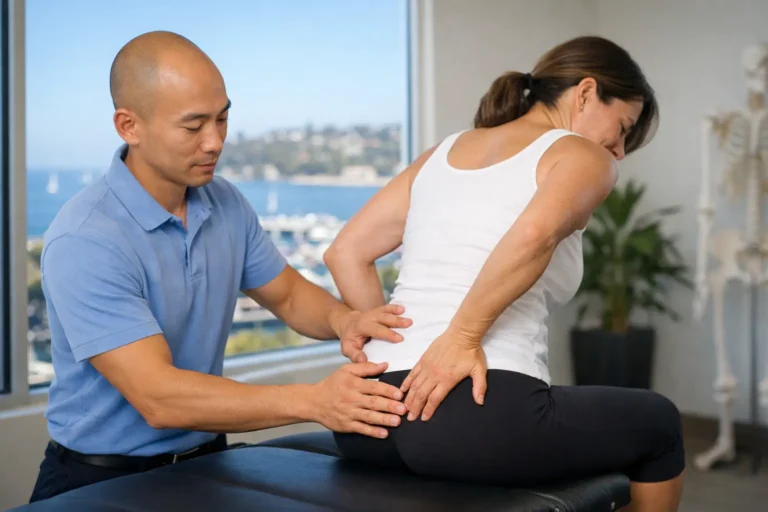
A pain in the buttocks can make a desk chair feel like a medieval device, turn a simple drive down Rosecrans Street into a test of patience, and take the fun out of your favorite workout. It may be a dull ache deep in one cheek, a sharp jab when you stand, or pain that travels from your low back down your leg. Those differences matter because buttock pain is a symptom, not a diagnosis.
For active adults around Point Loma, the Midway District, Ocean Beach, and Liberty Station, the goal is usually simple: get back to walking, training, working, and sleeping without building your day around pain medication. The right first step is identifying where the problem is coming from and what is keeping it going.
What Can Cause Pain in the Buttocks?
Your buttocks are home to powerful muscles, joints, nerves, and connective tissue. Pain can begin in the area itself, but it can also be referred from the lower back, pelvis, or hip. That is why guessing based on one symptom alone can send people down the wrong path.
A common source is irritation involving the lower back and sciatic nerve. Sciatica is not a diagnosis by itself. It describes nerve-related symptoms that can include buttock pain, tingling, numbness, burning, or pain running into the thigh, calf, or foot. A disc injury, joint irritation, muscle tension, or changes in spinal movement can all contribute.
The sacroiliac, or SI, joints are another frequent suspect. These joints connect the spine to the pelvis. When they are irritated or not moving well, pain may sit just to one side of the low back and feel concentrated in the upper buttock. Standing from a chair, climbing stairs, rolling over in bed, or taking a long stride may make it worse.
Sometimes the issue is muscular. The gluteal muscles can become strained after a new running program, a hard leg workout, a fall, or too much sitting followed by too much weekend activity. Deep hip muscles, including the piriformis, can also become tight or irritated. People often call every case of deep buttock pain “piriformis syndrome,” but a thorough exam is needed before putting a label on it.
Hip conditions can refer pain into the buttock as well. So can a history of auto accidents, especially when the force of a collision affects the low back, pelvis, and surrounding soft tissues. If your pain started after a crash, an Auto Accident Chiropractor San Diego residents trust can help assess musculoskeletal injuries while also recognizing when additional medical evaluation is necessary.
When Buttock Pain Needs Urgent Medical Attention
Most cases of pain in the buttocks are not emergencies, but a few warning signs should never be brushed off. Seek urgent medical care if you have new loss of bowel or bladder control, numbness in the groin or inner thighs, rapidly worsening leg weakness, fever with severe back pain, unexplained weight loss, or severe pain following significant trauma.
You should also be evaluated promptly when pain is constant and intense at night, when you cannot bear weight, or when symptoms progressively worsen rather than settle. A careful clinician does not try to adjust every problem away. The first responsibility is determining whether conservative care is appropriate and whether imaging, medical testing, or referral is needed.
Can a Chiropractor Help With Pain in the Buttocks?
Chiropractic care may help when buttock pain is connected to mechanical problems in the lower back, pelvis, hips, joints, muscles, or nerve irritation. The key word is “may,” because treatment should match the cause. A strained glute muscle, an irritated SI joint, and nerve pain from the lumbar spine may all feel similar at first, but they do not always need the same approach.
At Greater Life Wellness Center, care begins with a conversation about your symptoms, health history, work demands, exercise routine, and goals. A comprehensive examination can assess posture, spinal and hip movement, reflexes, strength, sensation, and areas of tenderness. When indicated, X-rays may be used to better understand spinal alignment and structural factors. You should then receive a clear report of findings, not a vague “come back next week and we’ll see.”
If chiropractic care is appropriate, your plan may include specific adjustments to improve joint motion, reduce mechanical stress, and support nervous system function. Corrective exercises, targeted stretching, movement guidance, and lifestyle recommendations can help reinforce the changes between visits. The aim is not simply to quiet a symptom for a day. It is to address contributing patterns so you can move with more confidence and rely less on temporary fixes.
For some patients, especially those with significant nerve symptoms, care may need to be coordinated with another medical provider. That is not a failure of chiropractic care. It is good clinical judgment.
What Should You Expect at Your First Visit?
A useful evaluation should feel more like an investigation than an assembly line. You will be asked where the pain begins, whether it radiates, what positions aggravate it, whether coughing or bending changes it, and what activities you have stopped doing because of it. Details such as a recent deadlift session, a long commute, pregnancy, a fall, or an old sports injury can change the clinical picture.
The examination may include orthopedic and neurological testing to help distinguish muscle, joint, hip, and nerve involvement. If imaging is recommended, the reason should be explained plainly. X-rays are not needed for every person with buttock pain, but they can be valuable when trauma, structural concerns, persistent symptoms, or other clinical findings call for a closer look.
After the exam, you should understand what the doctor suspects, what has been ruled out, what care may involve, and what progress markers matter. Better sleep, easier transitions from sitting to standing, increased walking tolerance, fewer shooting symptoms, and a return to exercise are all more meaningful than chasing a single pain score.
How Many Chiropractic Visits Are Needed?
There is no honest one-size-fits-all number. A mild muscle-related issue after an unfamiliar workout may improve relatively quickly with appropriate care and activity modification. Pain that has lingered for months, travels down the leg, follows an accident, or is tied to longstanding movement habits may require a more gradual plan.
The frequency of care depends on the severity of symptoms, examination findings, how your body responds, and your goals. Early care may be more frequent when pain is limiting daily life. As function improves, visits often shift toward strengthening, prevention, and maintaining the progress you have earned. A good plan should be re-evaluated along the way, not sold as an endless package without a clear purpose.
Your participation matters, too. Adjustments can be a valuable part of care, but they work best alongside the basics: consistent movement, appropriate recovery, a workstation that does not force you into one position all day, and exercises selected for your specific problem. The “heroic” Saturday workout after five days of sitting is a common way to keep the cycle going.
Smart Moves You Can Make This Week
Avoid complete bed rest unless another provider has specifically instructed it. Gentle, tolerable movement is usually more helpful than becoming still for days. Short walks, changing positions regularly, and avoiding the specific movement that sharply reproduces symptoms can keep the area from becoming even more guarded.
Be cautious with aggressive stretching. If you have burning, tingling, numbness, or pain shooting below the knee, forcing a deep hamstring or piriformis stretch can sometimes aggravate an irritated nerve. Heat or ice may offer short-term comfort depending on what feels better, but neither replaces finding the underlying driver.
If sitting is your biggest trigger, break up long blocks of sitting before pain becomes severe. Stand, walk for a few minutes, or change positions every 30 to 45 minutes when possible. For San Diego professionals working from home or commuting across town, that simple habit can be more useful than waiting until the end of the day to wage war on a tight lower back.
Get Answers Before the Pain Gets Louder
Buttock pain is easy to minimize until it starts changing how you train, work, sleep, and show up for your family. You do not have to settle for masking it with medication or guessing which online stretch will fix it. A no-obligation consultation and evaluation at Greater Life Wellness Center can help you understand whether chiropractic care is a sensible next step and what a personalized plan could look like.
Your body is designed to move. Give it the attention it deserves before a small ache becomes the reason you say no to the things you enjoy.
NEW PATIENT SPECIAL OFFER
If you’d like to increase your quality of life and revitalize your health… naturally, we have a valuable offer for you!
First visit for $59 which includes a consultation, examination, computerized muscle balance scan, and any necessary X-rays, to see if we can help you before you make any financial commitment.
There is NO OBLIGATION!

Dr. Henry Wong, DC
3689 Midway Drive, Suite G, San Diego, CA 92110
(619) 222-8885
Chiropractor San Diego CA
Monday, Wednesday & Thursday :
8:00 AM – 1:00 PM and 3:00 – 6:00 PM
Tuesday :
Appointment Only
Friday :
Appointment Only
Walk-ins Welcome During Regular Business Hours!
© 2026 GREATER LIFE WELLNESS CENTER, All Rights Reserved